
Mastering Oleo Techniques: A Guide to Oil Painting
- Oleo Admin
- Oct 13, 2025
- 4 min read

Oil painting is a timeless art form that has captivated artists and art lovers for centuries. Its rich textures, vibrant colors, and versatility make it a favorite medium for creating stunning works of art. Mastering oil painting techniques can elevate your artwork and help you express your creativity with confidence. This guide will walk you through essential oil painting techniques, practical tips, and insights to help you become proficient in this beautiful craft.
Essential Oil Painting Techniques to Get Started
Oil painting offers a variety of techniques that can be combined to create different effects and styles. Understanding these foundational methods will give you the tools to experiment and develop your unique artistic voice.
1. Underpainting
Underpainting is the initial layer of paint applied to the canvas. It serves as a base for the subsequent layers and helps establish the composition, values, and tones. Artists often use monochromatic colors like burnt sienna or ultramarine blue for underpainting.
Use thin, diluted paint to cover the canvas.
Focus on light and shadow rather than color.
Let the underpainting dry before adding layers.
2. Glazing
Glazing involves applying thin, transparent layers of paint over a dry layer to create depth and luminosity. This technique is excellent for achieving rich colors and subtle transitions.
Use a medium like linseed oil to thin the paint.
Apply multiple layers, allowing each to dry.
Build up color intensity gradually.
3. Impasto
Impasto is the technique of applying thick paint to create texture and dimension. It adds a tactile quality to the painting and can emphasize brushstrokes or palette knife marks.
Use a stiff brush or palette knife.
Apply paint thickly to create raised surfaces.
Experiment with different tools for varied textures.
4. Scumbling
Scumbling is a dry-brush technique where a thin, opaque layer of paint is lightly dragged over a dry underlayer. It softens edges and creates a hazy or smoky effect.
Use a dry brush with minimal paint.
Apply with a scrubbing motion.
Ideal for atmospheric effects like fog or clouds.
5. Wet-on-Wet (Alla Prima)
This technique involves applying wet paint onto wet layers, allowing colors to blend directly on the canvas. It is perfect for quick, expressive paintings.
Work quickly before the paint dries.
Use soft brushes for smooth blending.
Ideal for capturing spontaneous moments.

What is an oleograph painting?
An oleograph painting is a type of reproduction that mimics the appearance of an original oil painting. Unlike traditional oil paintings created with brush and canvas, oleographs are printed reproductions that use a special process to replicate the texture and depth of oil paint.
Characteristics of Oleograph Paintings
Texture Simulation: Oleographs often have a raised surface to imitate brushstrokes.
Mass Production: They are produced in larger quantities, making art more accessible.
Durability: The printing process ensures longevity and resistance to fading.
Affordability: Oleographs are generally more affordable than original oil paintings.
While oleographs are not original artworks, they offer a beautiful alternative for those who appreciate the look of oil paintings without the cost or time investment.
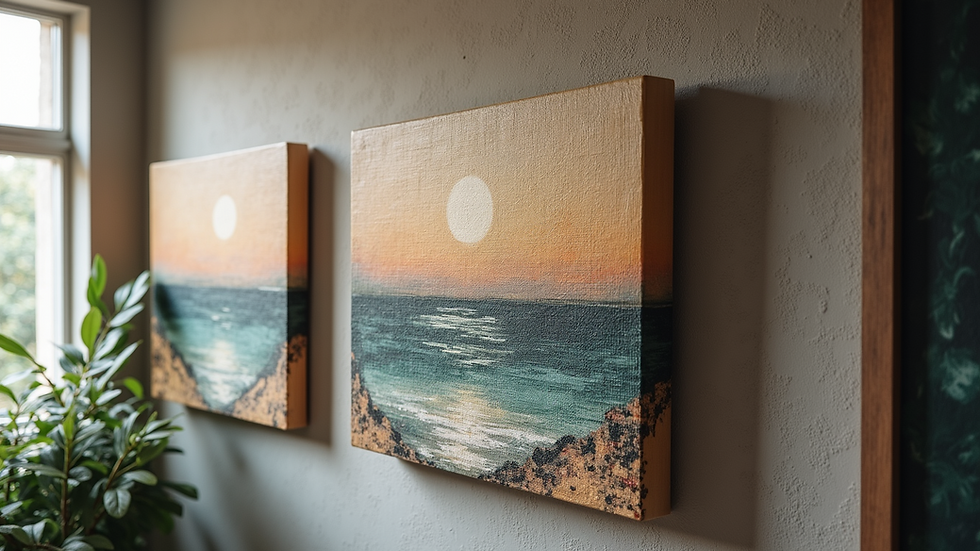
Tools and Materials for Successful Oil Painting
Choosing the right tools and materials is crucial for mastering oil painting techniques. Here’s a breakdown of what you’ll need:
Paints
Use high-quality oil paints for better pigmentation and consistency.
Start with a basic palette: titanium white, ultramarine blue, burnt sienna, cadmium red, and yellow ochre.
Brushes
Invest in a variety of brushes: flat, round, filbert, and fan brushes.
Hog bristle brushes are durable and ideal for oil paints.
Synthetic brushes can be used for finer details.
Mediums
Linseed oil: enhances gloss and flow.
Stand oil: thickens paint and reduces drying time.
Turpentine or odorless mineral spirits: for thinning paint and cleaning brushes.
Canvas and Surfaces
Pre-primed canvases are convenient for beginners.
Wooden panels or canvas boards offer sturdy alternatives.
Always prepare your surface with a suitable primer like gesso.
Palette and Palette Knife
Use a wooden or glass palette for mixing.
Palette knives are excellent for mixing paint and applying impasto.

Tips for Mastering Oleo - Oil Painting Techniques
Mastering oil painting requires patience, practice, and understanding of the medium’s unique properties. Here are some actionable tips to help you improve:
Start with Simple Subjects
Begin with still life or simple landscapes to practice color mixing and brushwork.
Use the Fat Over Lean Rule
Apply lean (less oil) layers first and fat (more oil) layers on top to prevent cracking.
Keep Your Brushes Clean
Clean brushes thoroughly after each session to maintain their shape and longevity.
Experiment with Layering
Try different layering techniques like glazing and scumbling to add depth.
Control Drying Time
Use mediums to speed up or slow down drying depending on your working style.
Study Masterpieces
Analyze works by famous oil painters to understand their techniques and color choices.
Practice Regularly
Consistent practice is key to developing confidence and skill.
For those interested in exploring more about oleo - oil painting, visiting Oleo Painting CoPilot can provide valuable resources and tutorials.
Exploring Creative Possibilities with Oil Painting
Oil painting is not just about technique; it’s also about creativity and expression. Once you have a grasp of the basics, you can explore various styles and approaches:
Realism: Focus on detailed, lifelike representations.
Impressionism: Use loose brushwork and vibrant colors to capture light and movement.
Abstract: Experiment with shapes, colors, and textures without representational constraints.
Mixed Media: Combine oil paints with other materials like charcoal or collage for unique effects.
Try combining techniques like impasto with glazing to create dynamic contrasts. Use palette knives to add bold textures or soft brushes for delicate blending. The possibilities are endless when you master the fundamentals.
Mastering oil painting techniques opens up a world of artistic potential. With the right tools, knowledge, and practice, you can create stunning artworks that showcase your vision and skill. Whether you are a beginner or looking to refine your craft, embracing these techniques will enhance your journey in the timeless art of oil painting.


Comments