
Exploring the World of Oleo Oil Painting

Oil painting, a timeless art form, has captivated artists and enthusiasts for centuries. This technique, known for its rich textures and vibrant colors, offers endless possibilities for creative expression. Whether you are a beginner or an experienced painter, understanding the fundamentals of oleo painting techniques can elevate your artwork to new heights. In this post, we will explore the essential aspects of oleo painting, practical tips, and how to master this beautiful medium.
Understanding Oil Painting Techniques
Oil painting involves using pigments mixed with oil, typically linseed oil, to create artwork. The slow drying time of oil paints allows artists to blend colors smoothly and work on details over extended periods. This flexibility makes oil painting a favorite among many artists.
Key Characteristics of Oil Painting
Rich texture and depth: Oil paints have a thick consistency that adds dimension to paintings.
Vibrant colors: The pigments retain their brightness and do not fade easily.
Slow drying time: Allows for blending and layering techniques.
Durability: Properly varnished oil paintings can last for centuries.
Essential Materials for Oil Painting
To get started with oleo painting, you will need:
Oil paints: Choose high-quality pigments for better color payoff.
Brushes: Use a variety of shapes and sizes, including bristle and synthetic brushes.
Canvas or panel: Primed surfaces work best for oil paints.
Palette and palette knives: For mixing and applying paint.
Mediums: Linseed oil, turpentine, or other solvents to modify paint consistency.
Easel and workspace: A comfortable setup is crucial for long painting sessions.

Mastering Oil Painting Techniques
Mastering oil painting techniques requires practice and understanding of how oil paints behave. Here are some fundamental techniques to help you get started:
1. Underpainting
Begin with a monochromatic underpainting to establish values and composition. This layer acts as a foundation for subsequent layers and helps in planning the artwork.
2. Glazing
Apply thin, transparent layers of paint over dry layers to create luminosity and depth. Glazing enhances color richness and allows light to pass through the layers.
3. Impasto
Use thick paint application to add texture and dimension. This technique is perfect for highlighting and creating expressive brushstrokes.
4. Wet-on-Wet
Also known as alla prima, this technique involves applying wet paint onto wet layers, allowing for smooth blending and spontaneous effects.
5. Scumbling
Apply a thin, opaque layer of paint over a dry layer to soften edges and create a hazy effect.
Tips for Effective Oil Painting
Work from dark to light colors.
Use mediums to control drying time and paint consistency.
Clean brushes thoroughly to maintain their shape.
Experiment with different brush strokes and tools.
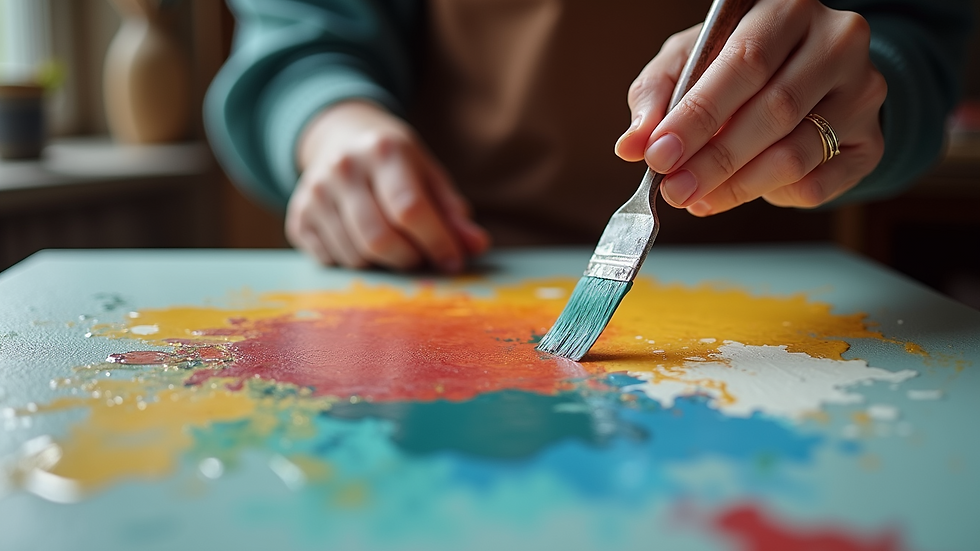
Exploring Color Mixing and Palette Choices
Color mixing is a vital skill in oleo painting. Understanding how colors interact can help you achieve the desired mood and harmony in your artwork.
Basic Color Mixing Principles
Primary colors: Red, blue, and yellow are the base colors.
Secondary colors: Created by mixing two primaries (green, orange, purple).
Tertiary colors: Mix primary and secondary colors for subtle hues.
Choosing a Palette
Limited palette: Use a few colors to create harmony and challenge your mixing skills.
Full palette: Offers a wide range of colors but requires more control.
Practical Recommendations
Start with a warm and cool version of each primary color.
Use earth tones like burnt sienna and raw umber for natural shades.
Keep a color chart to track your mixes.
Caring for Your Oil Paintings
Proper care ensures your oil paintings remain vibrant and intact for years.
Drying and Varnishing
Allow paintings to dry in a dust-free environment for several weeks.
Apply varnish to protect the surface and enhance colors.
Storage and Display
Avoid direct sunlight and extreme humidity.
Use acid-free materials for framing and storage.
Discovering More About Oleo - Oil Painting
For those eager to dive deeper into the world of oleo painting, resources like oleo - oil painting offer comprehensive guides, tutorials, and expert advice. Exploring such platforms can provide inspiration and technical knowledge to refine your skills.
Embracing the Journey of Oil Painting
Oil painting is more than just a technique - it is a journey of creativity and discovery. By mastering the basics and experimenting with different methods, you can create stunning artworks that reflect your unique vision. Remember, patience and practice are key to unlocking the full potential of this timeless medium. So, gather your materials, set up your workspace, and start exploring the vibrant world of oleo painting techniques today!


Comments